Farmer Field Book: Peer Learning on Yield and Income Measurement
What is the main objective of the project?
The project generates robust, farm-level evidence on cocoa smallholder production and livelihoods through the Farmer Field Book (FFB) methodology. It addresses the sector's lack of granular data linking farming practices, labour and input investment to productivity and income outcomes, and explores how the Farmer Field Book data can complement the Cocoa Platform’s Cocoa Household Income Studies (CHIS) by validating indicators and enabling deeper analysis to inform living income strategies.
How will the project contribute to sustainable cocoa production?
By providing longitudinal, practice-based data on productivity, farm management and income across Côte d'Ivoire, Ghana, Cameroon and Ecuador, the project supports evidence-based decision-making and helps identify effective pathways to close living income gaps, directly supporting the Cocoa Platform's Roadmap 2030.
Members of the Platform gain structured access to FFB datasets and reports, enabling comparative analysis and testing complementarities with CHIS across diverse origins.
What steps are taken during the project?
In this new three-year learning phase (2026 to 2028), Barry Callebaut shares Farmer Field Book reports and datasets from its four programme countries with the Cocoa Platform.
Together, the partners test complementarities between FFB and CHIS, conduct comparative analyses across origins, and jointly explore how both approaches can be aligned and harmonised into a shared global approach to income and farm performance analysis.
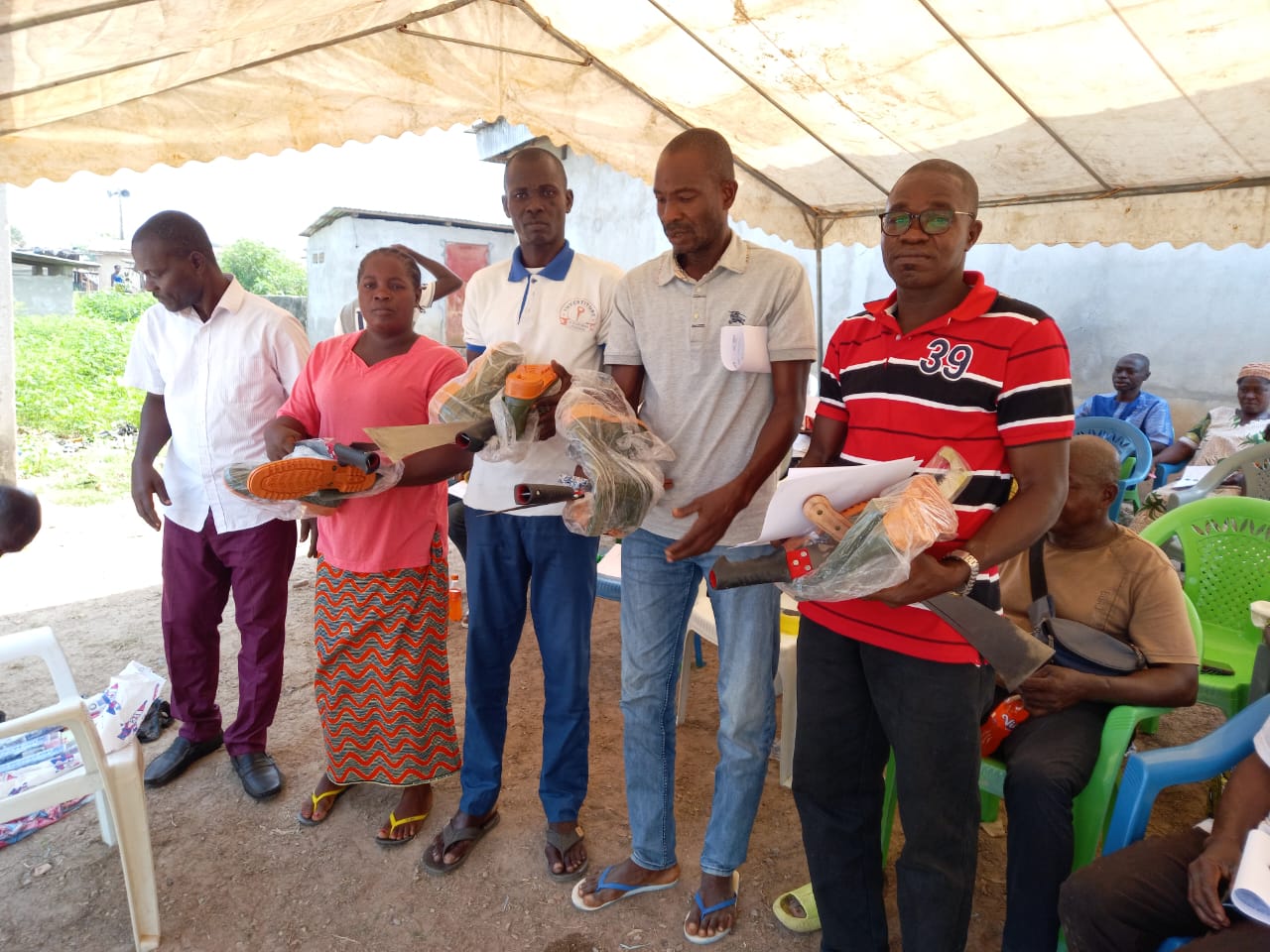
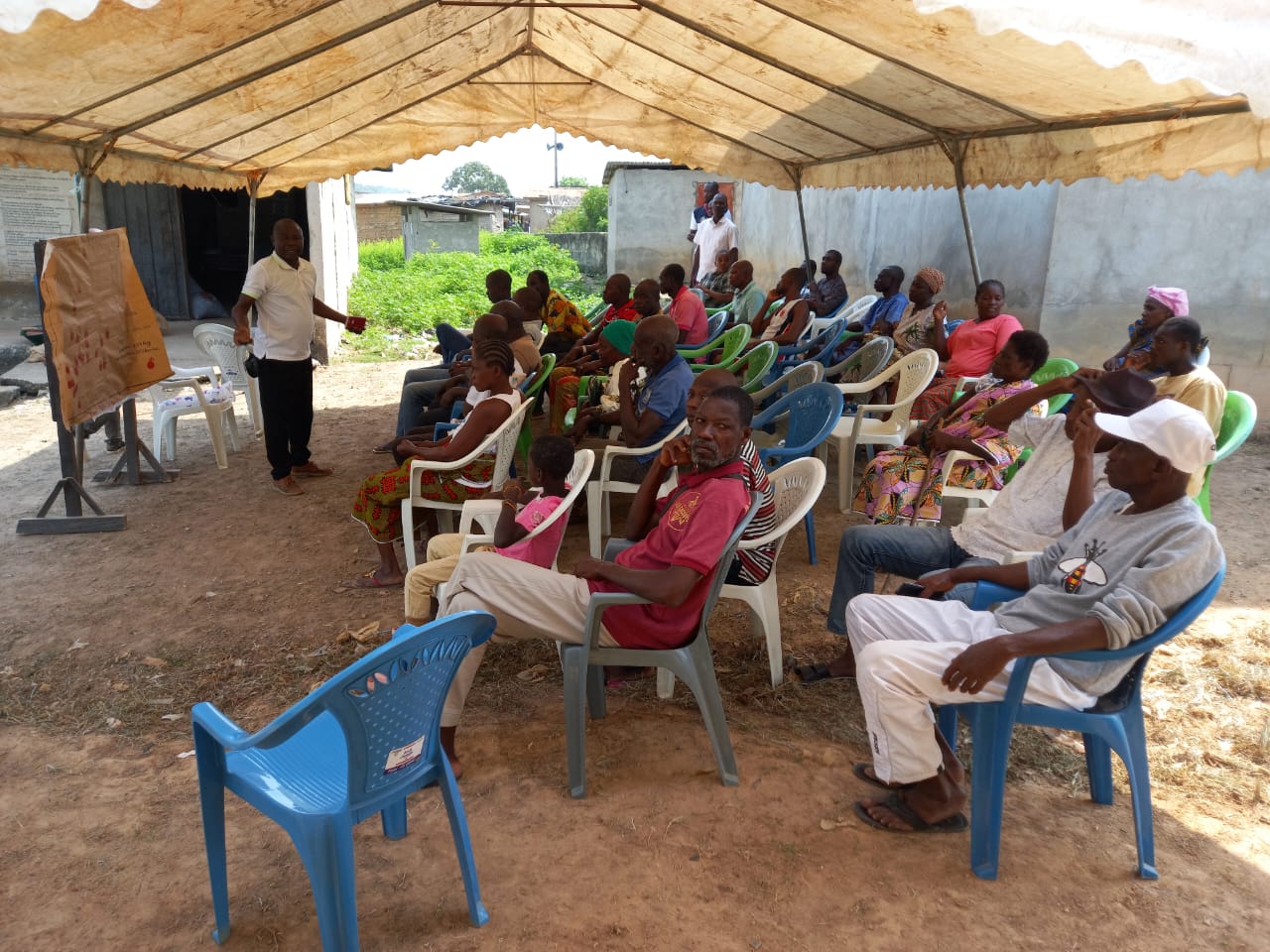
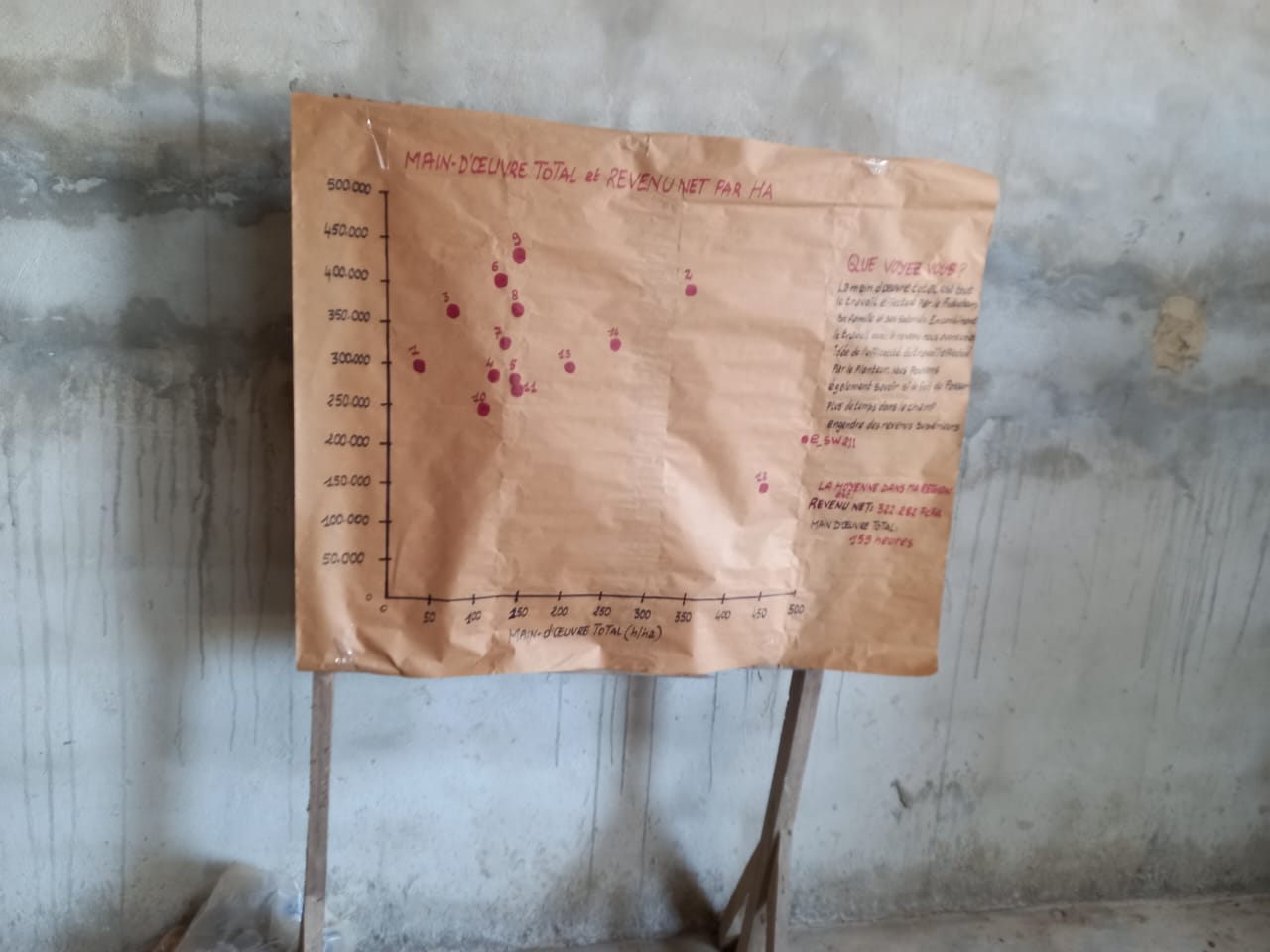
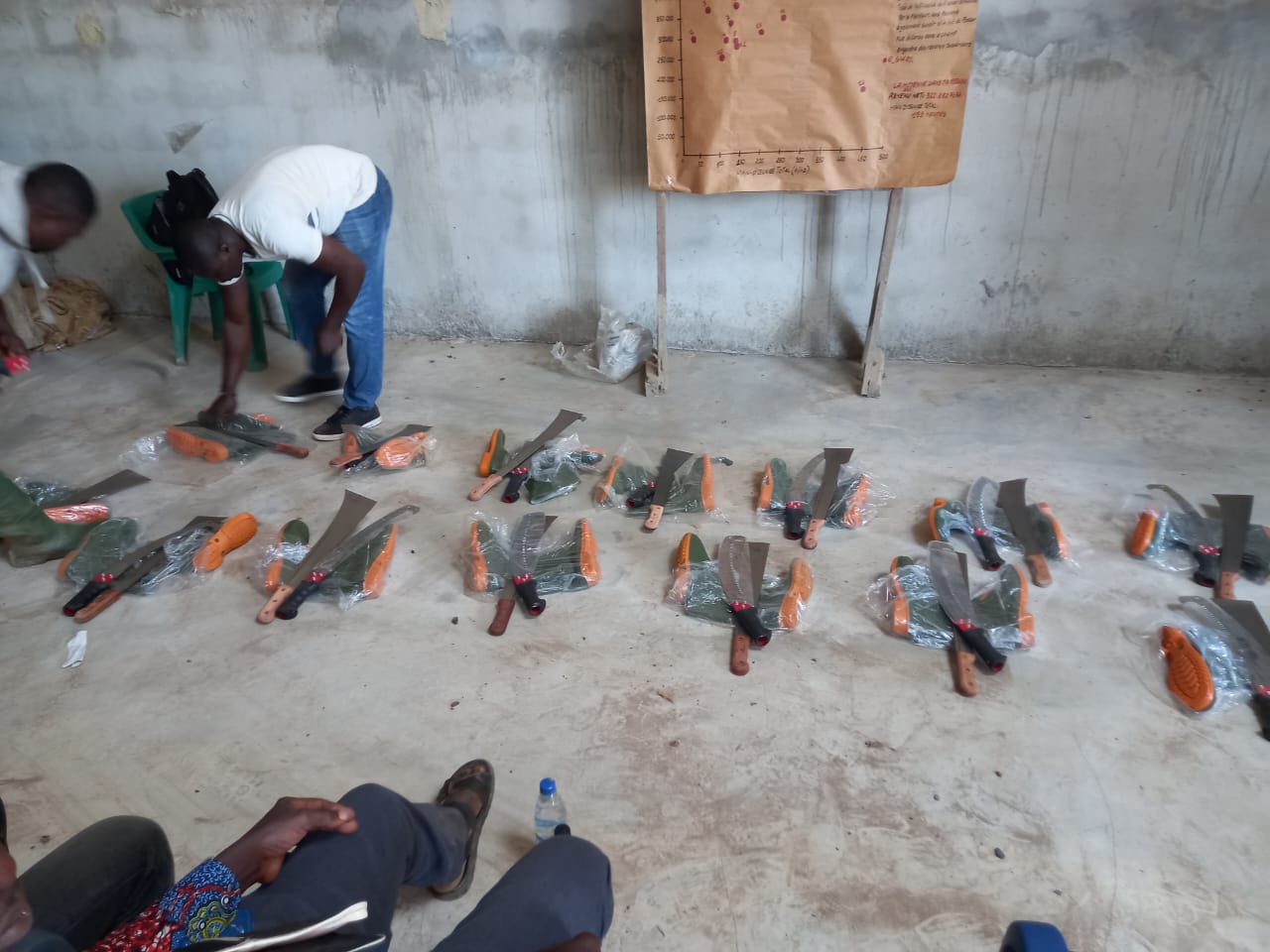
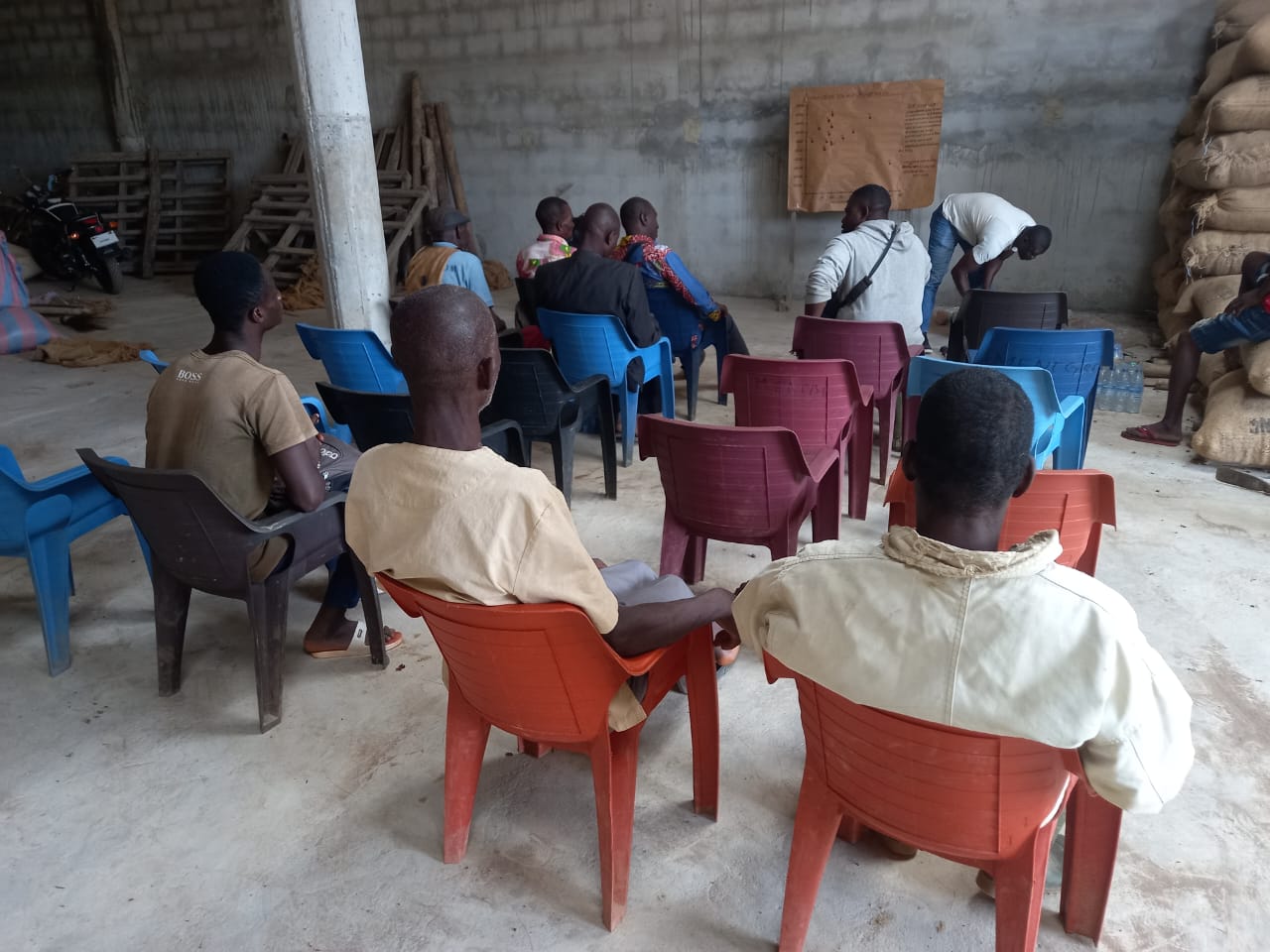
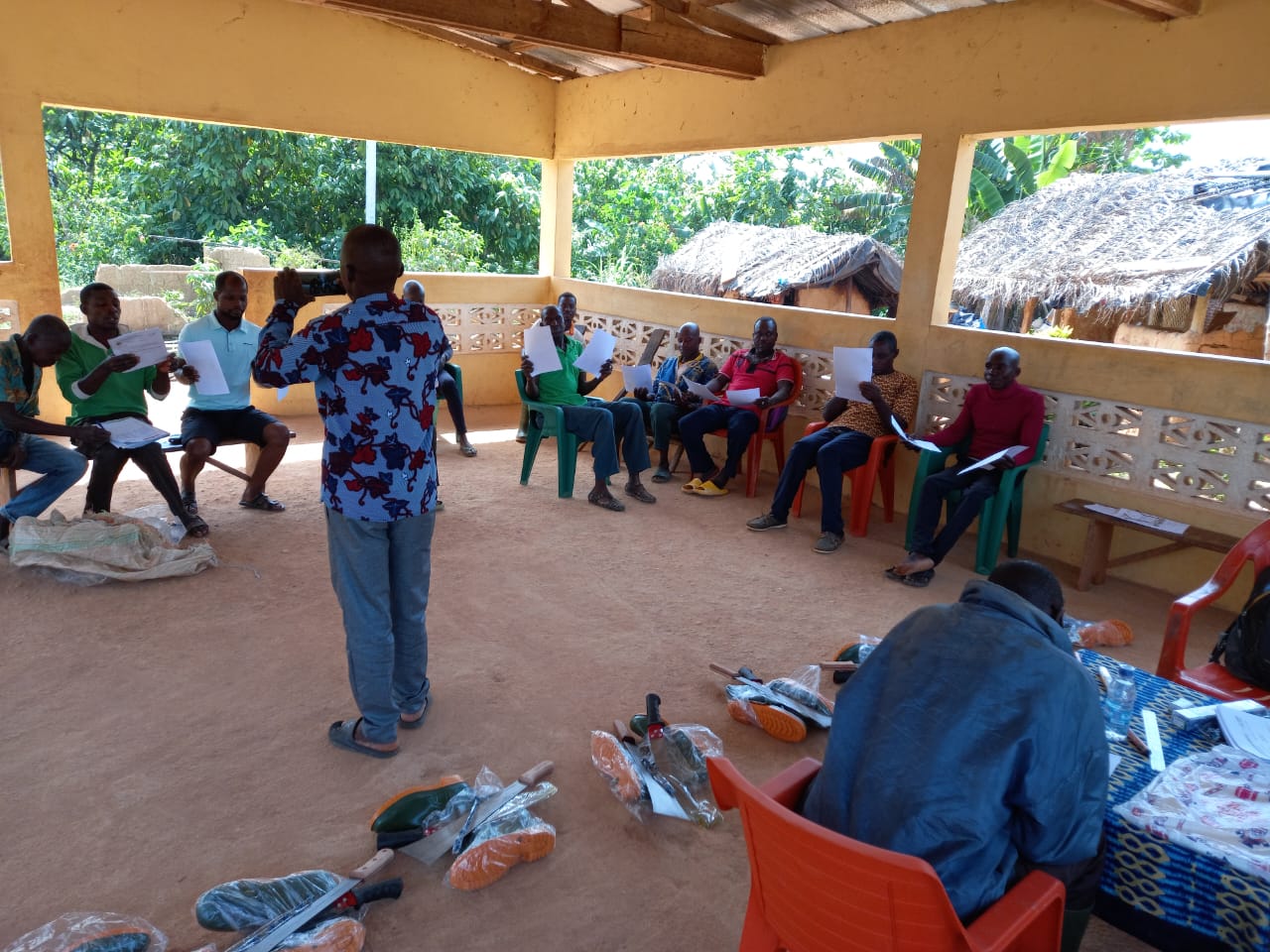
Where do you see the greatest potential for other stakeholders in the cocoa sector and beyond to learn from the outcomes of this project?
The project shows members of the Cocoa Platform and the wider cocoa sector how standardised, farm-level data collection can validate and deepen income-related indicators.
Its findings on how farm management, labour and input decisions shape income outcomes offer a replicable model for evidence-based learning and harmonised monitoring approaches that extend beyond individual company programmes.
Organisations involved